A simulation can produce precise results without supporting every conclusion drawn from them. In our latest research, we examined archived simulations of photovoltaic energy, concentrated solar power, geothermal energy, and waste heat recovery to distinguish what their outputs demonstrate from what requires further evidence.
The paper was accepted in Sustainability on 9 October 2026. Proofreading is complete, and publication is pending.
The engineering question
When does a numerical result provide enough evidence for an engineering claim?
An exported temperature, electrical-power estimate or pressure difference does not automatically establish a validated prediction. Comparing different energy pathways also requires compatible system boundaries, operating conditions and physical quantities.
Our study investigates these requirements through a retrospective review of one prototype-scale simulation archive.
Key idea
A traceable result is not automatically a validated prediction.
Knowing where a number came from is essential. Demonstrating that it supports a physical prediction or a technology comparison requires additional checks.
What the evidence shows
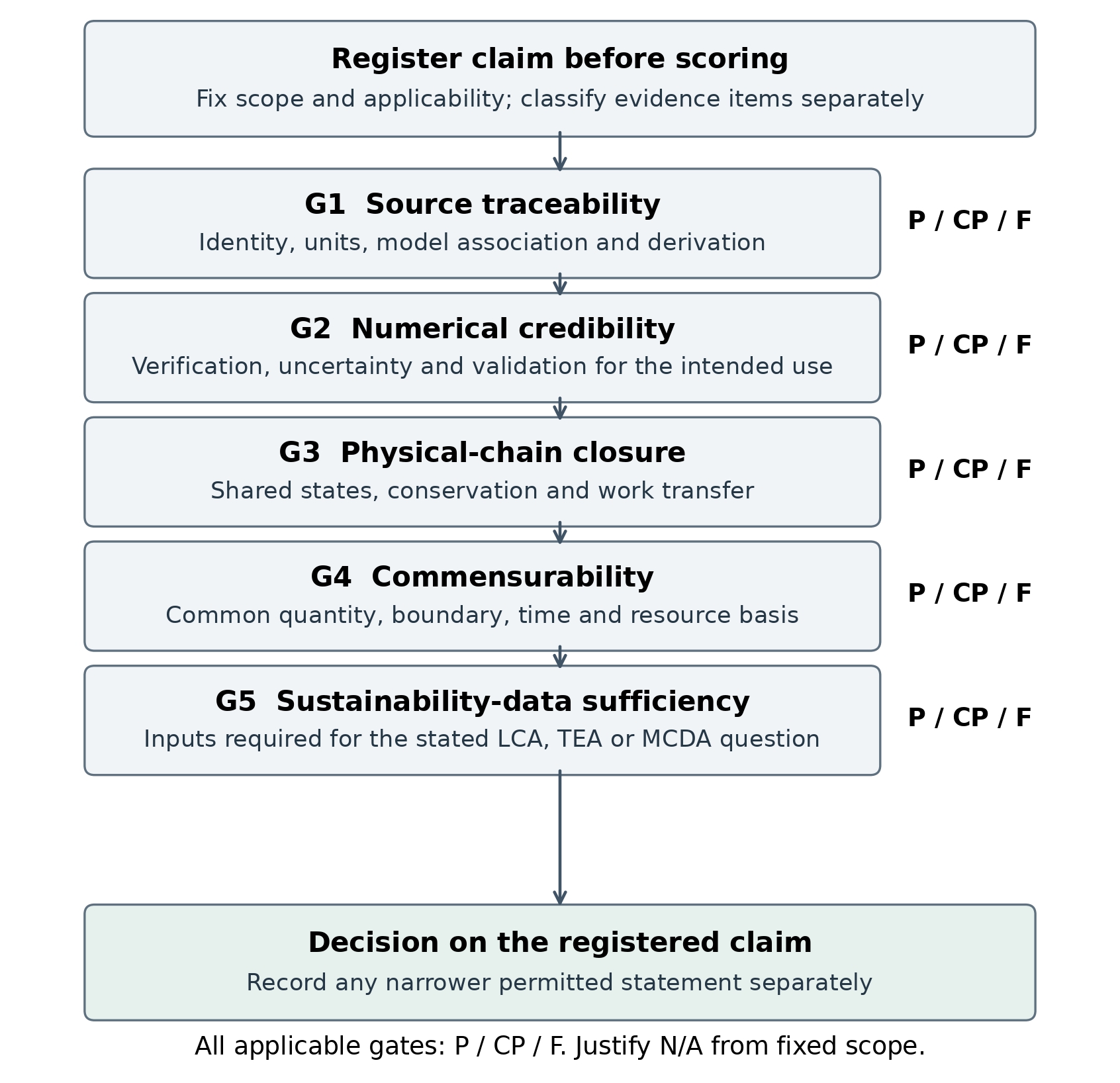
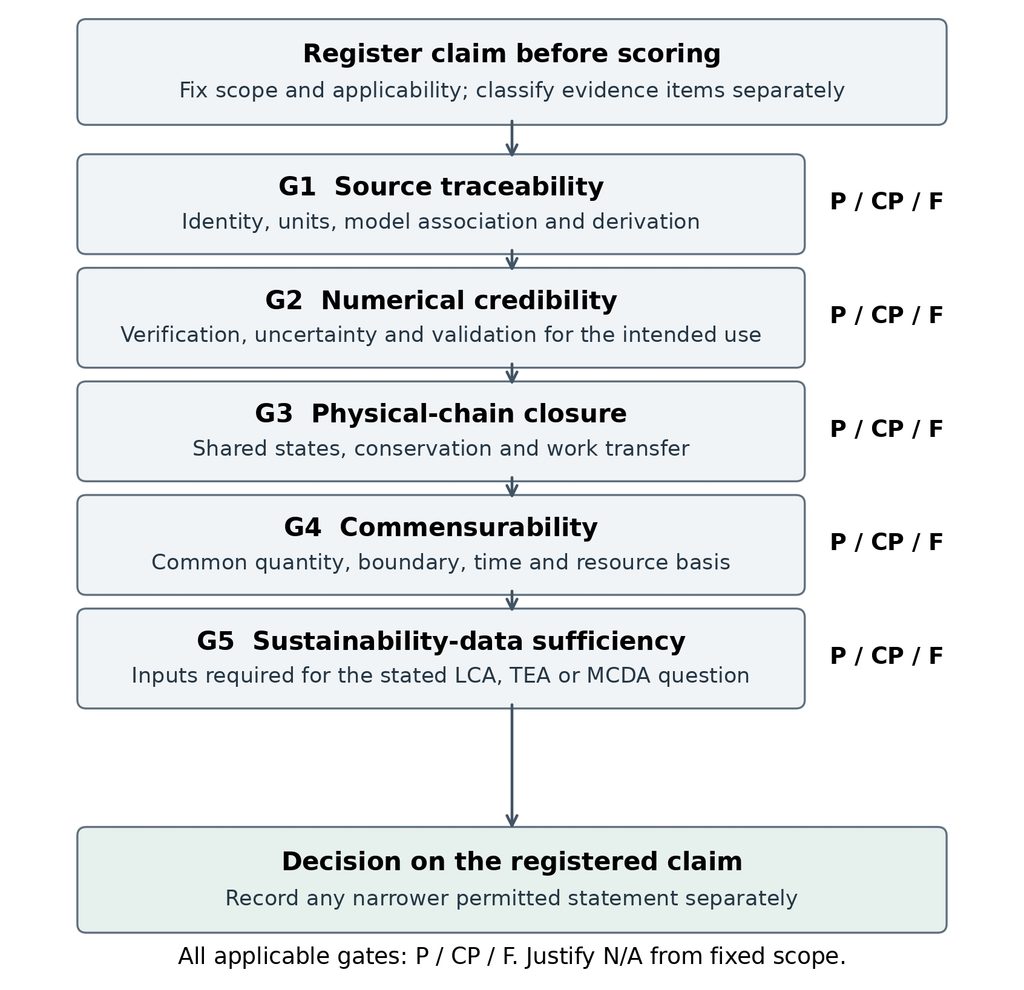
We organized the assessment around five checks: source traceability, numerical credibility, physical-chain closure, comparability, and the data required for downstream assessment.
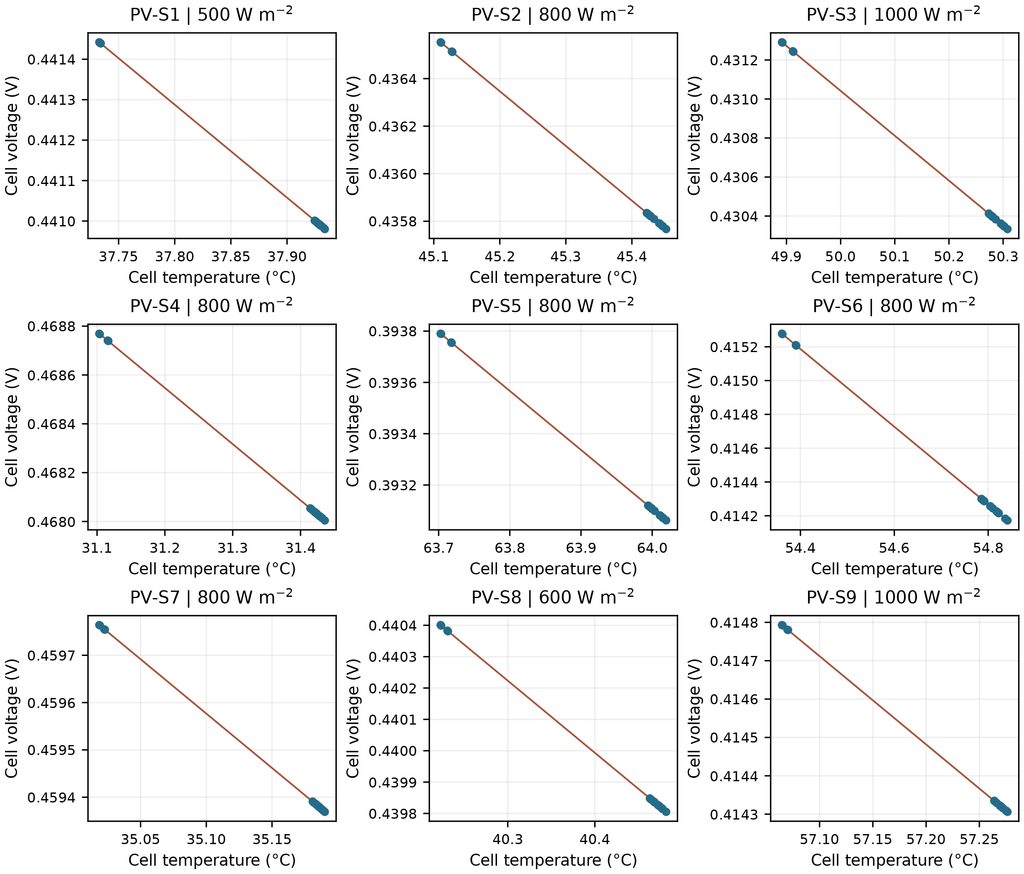
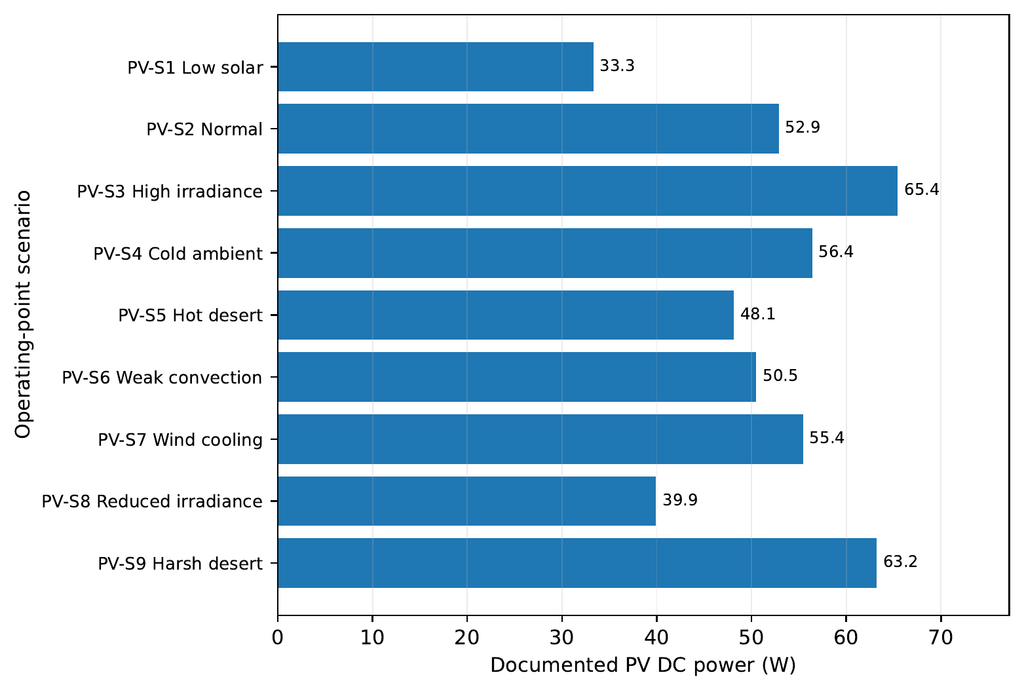
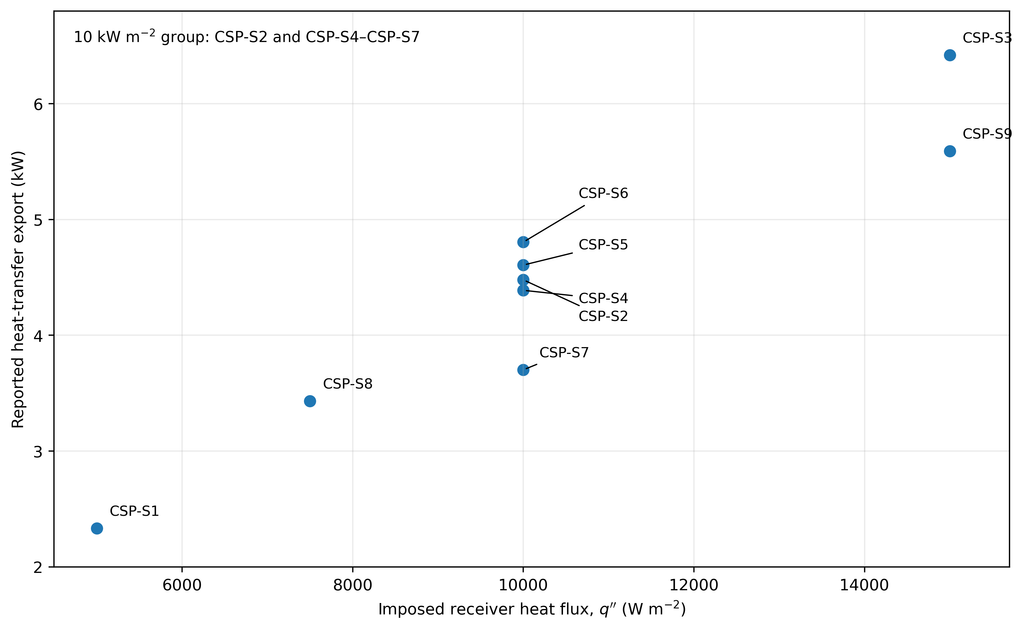
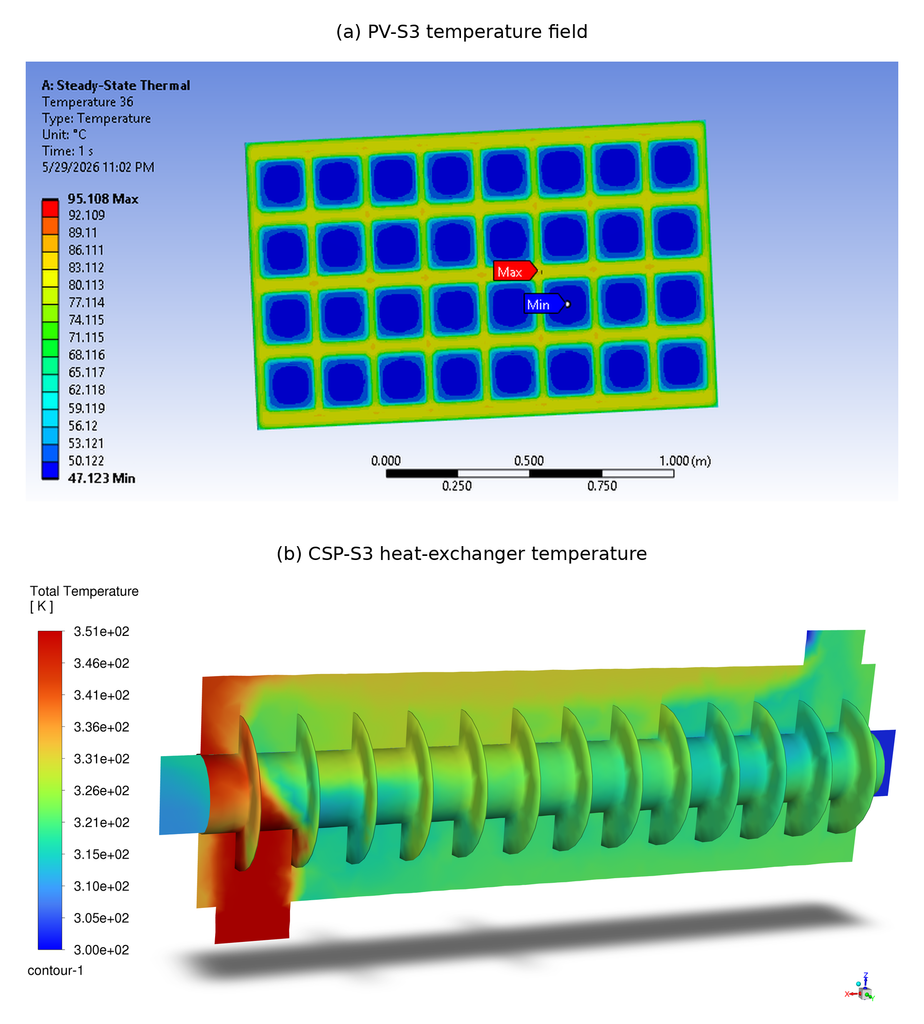
The archive contains PV DC estimates of 33.31–65.44 W and CSP heat-transfer exports of 2.333–6.421 kW. These remain reportable as archived values, but they represent different physical quantities and cannot establish which technology performs better.
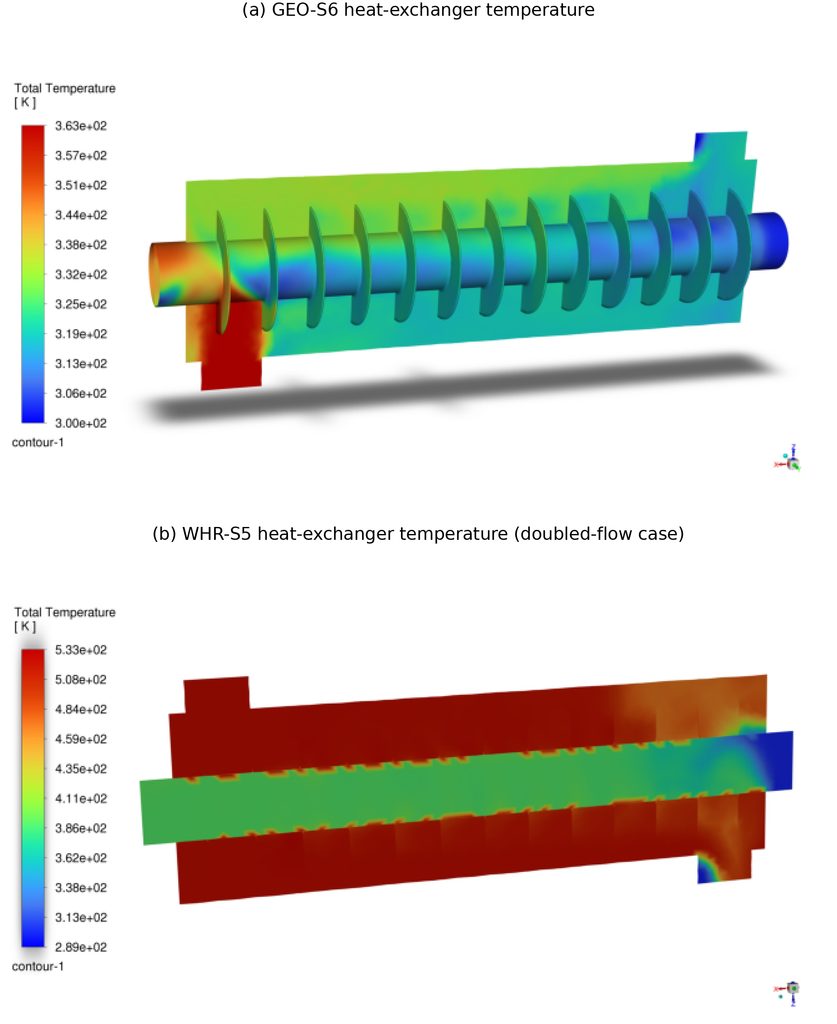
The review also identified duplicated mesh-inspection records and unresolved differences between saved solver states and exported scenarios. The thermal-to-electric conversion chain was not sufficiently closed to interpret pressure-flow calculations as demonstrated turbine output.
The contribution is a documented procedure for identifying which claims the evidence supports and which need further investigation. The study does not establish validated model predictions or a ranking of the four technologies.
References
Lamzirai, M.; Boudounit, H.; Serifi, I.; Khalili, H.; Nour-Eddine, A.; Mastouri, H. Claim Admissibility in Archived Energy System Simulations: A Case Study of PV, CSP, Geothermal and Waste Heat Recovery. Sustainability. Accepted 9 October 2026; awaiting publication.
The publisher link and final citation will be added when the article is available.