CFD
 Aerodynamics, ANSYS Fluent, CFD, Energies, Fluid mechanics, Heat Exchanger, Heat Transfer, Hydrogen, Renewable Energies, Thermodynamics, Turbomachinery
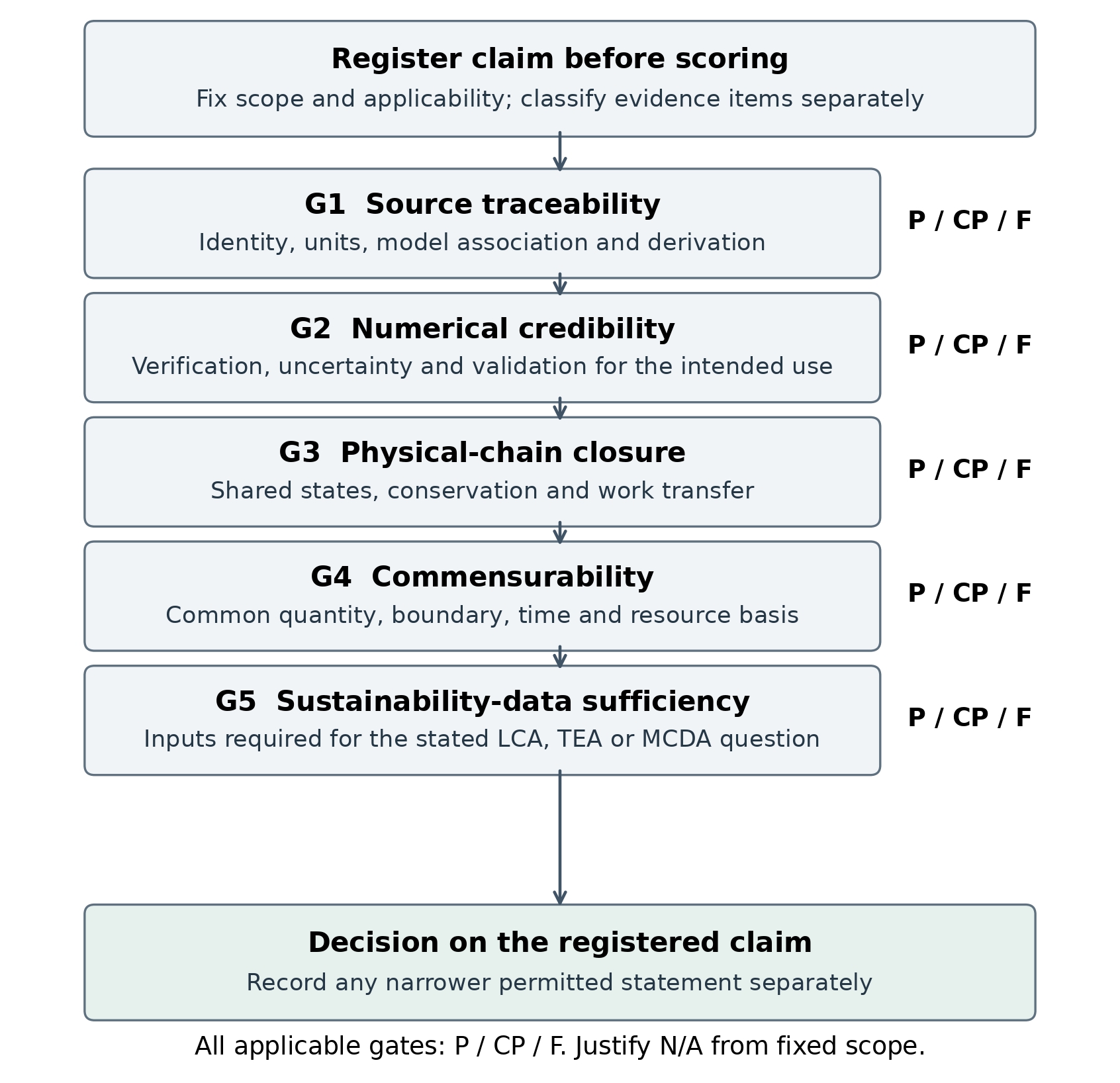
When Can We Trust Claims Made from Energy Simulations?
Read & explore →: When Can We Trust Claims Made from Energy Simulations?A simulation can produce precise results without supporting every conclusion drawn from them. In our latest research, we examined archived simulations of photovoltaic energy, concentrated solar power, geothermal energy, and…
How a Car Aerodynamic Wing Boosts Performance and Braking: A CFD Analysis
Read & explore →: How a Car Aerodynamic Wing Boosts Performance and Braking: A CFD AnalysisEver wonder how rear wings actually work on sports cars? In this video, we go beyond the aesthetics to perform a Computational Fluid Dynamics (CFD) analysis on vehicle aerodynamics. By…
 ANSYS Fluent, CFD, Energies, Fluid mechanics, Heat Exchanger, Heat Transfer, Hydrogen, Renewable Energies, Thermodynamics, Turbomachinery
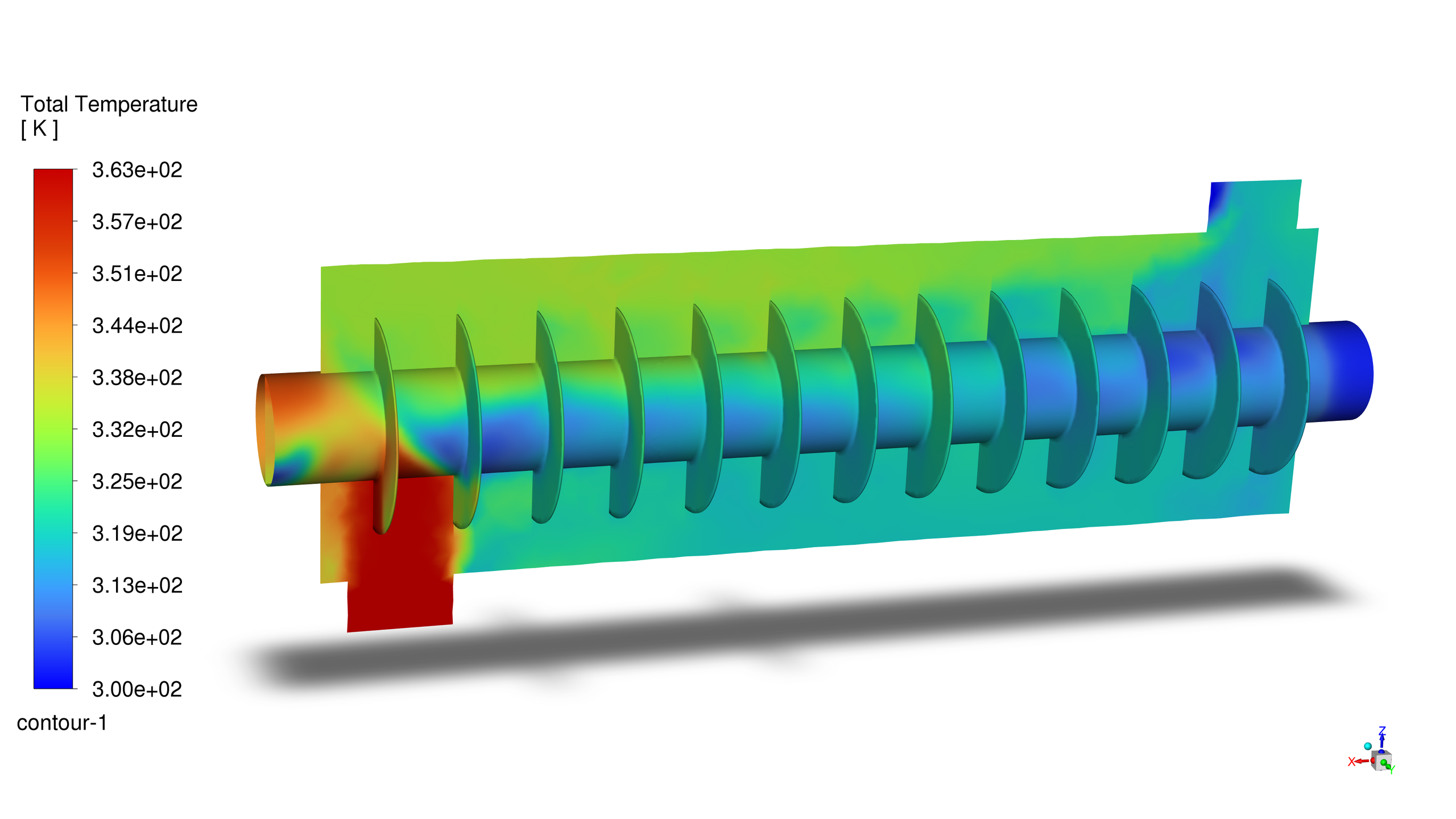
Energy-to-Hydrogen Pathways: Thermal and CFD Modelling
Read & explore →: Energy-to-Hydrogen Pathways: Thermal and CFD ModellingHow can a transparent modelling workflow investigate different energy resources for hydrogen-related applications? In my Master’s project, I developed simplified representations of photovoltaic energy, parabolic-trough concentrated solar power, geothermal energy,…
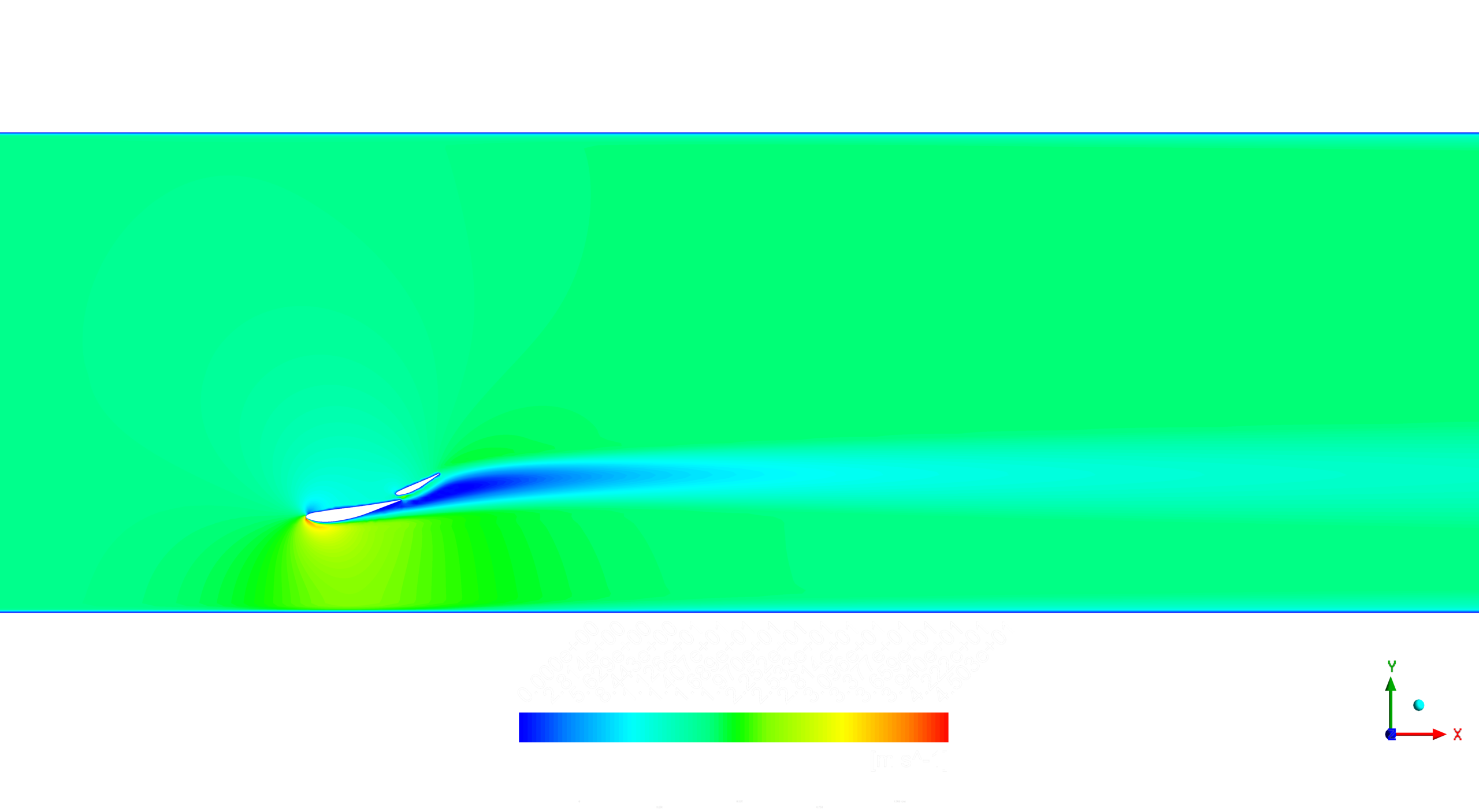
F1-Inspired Two-Element Wing: Transient CFD with ANSYS Fluent
Read & explore →: F1-Inspired Two-Element Wing: Transient CFD with ANSYS FluentThis project explores airflow around a two-element airfoil using a two-dimensional transient simulation in ANSYS Fluent. Pressure and velocity visualizations illustrate how the flow interacts with both elements and develops…
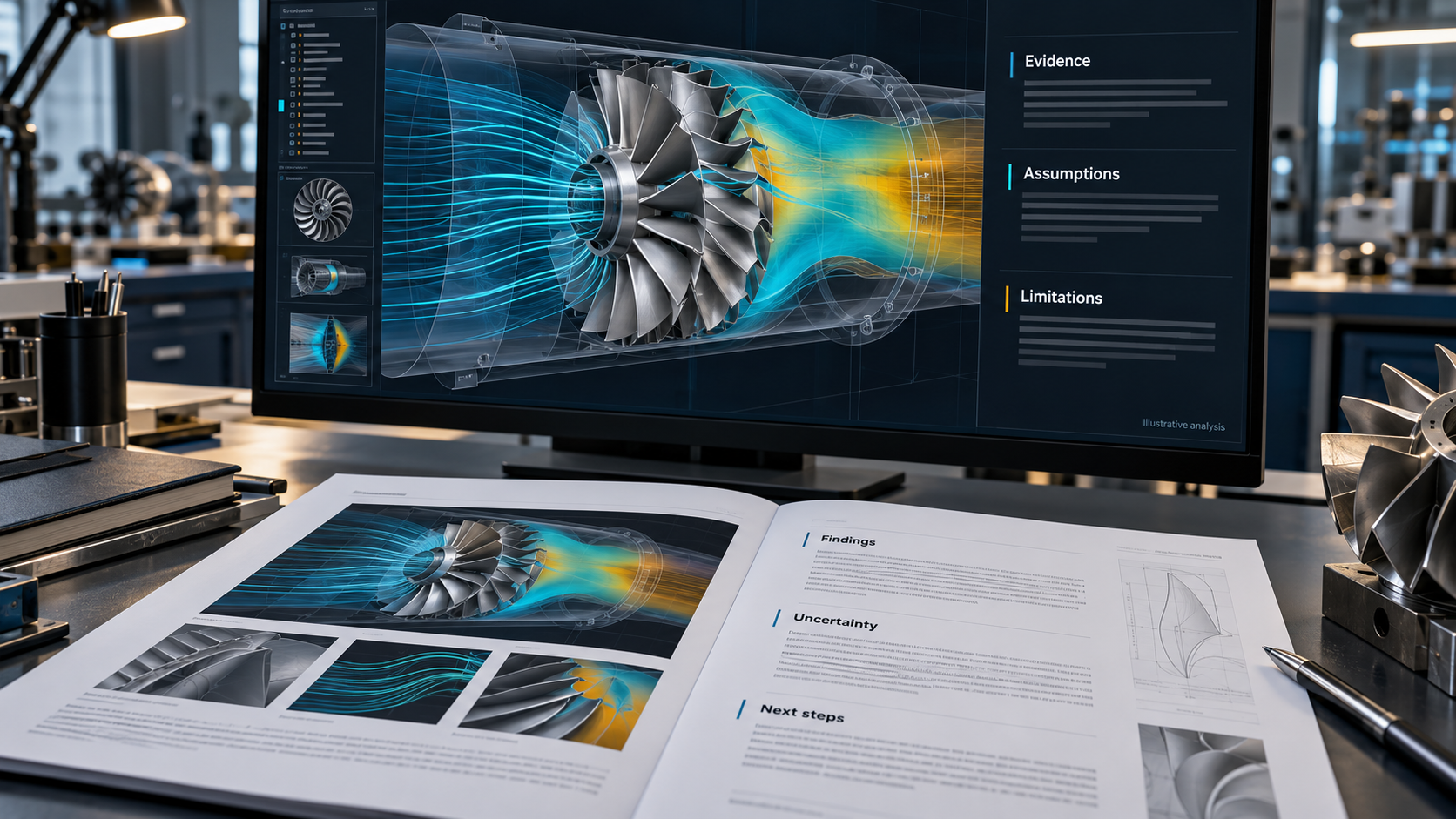
From Flow Fields to Engineering Conclusions
Read & explore →: From Flow Fields to Engineering ConclusionsThe final stage of a CFD study is to explain what the results support. Bring together the physical assumptions, numerical checks, and flow observations to produce a clear engineering conclusion.…
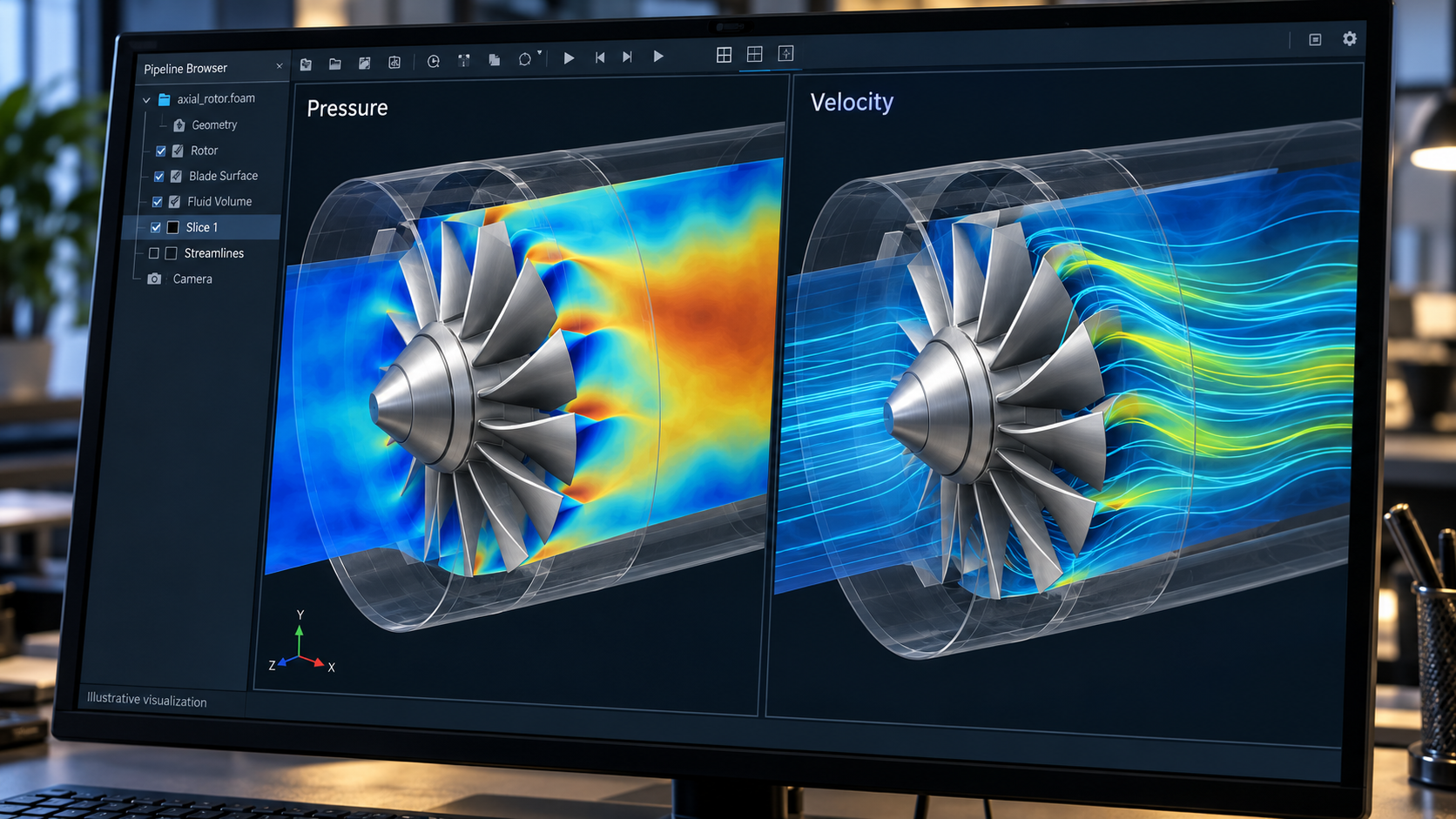
Visualizing Pressure and Velocity in ParaView
Read & explore →: Visualizing Pressure and Velocity in ParaViewPost-processing helps you inspect the solution and communicate its physical meaning. A useful figure identifies the field being shown, its units, its location, and any reference-frame choices needed to interpret…
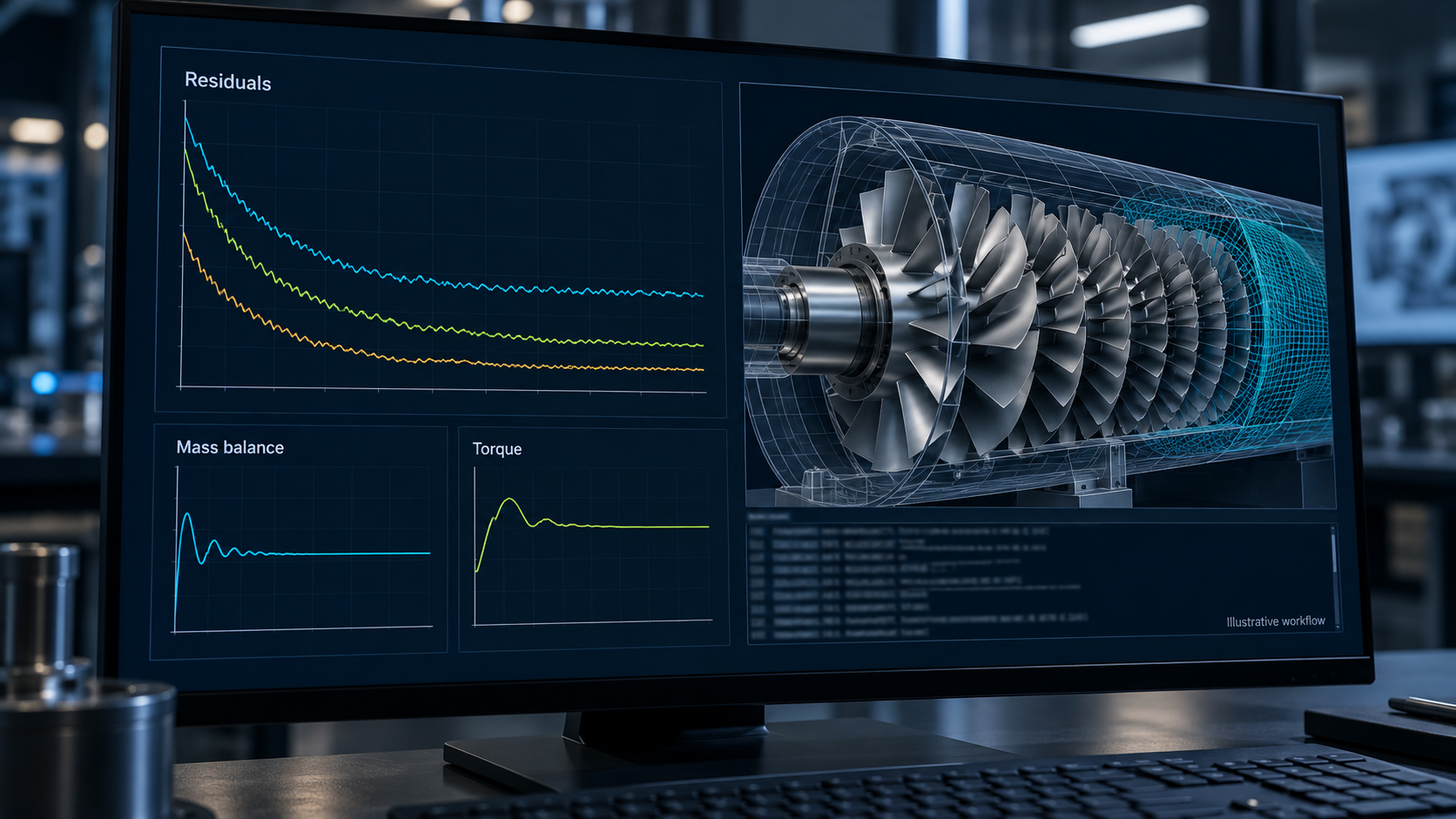
Running the Simulation and Assessing Convergence
Read & explore →: Running the Simulation and Assessing ConvergenceIntroduction Once the environment, case settings, and mesh have been checked, you can run the simulation. The next responsibility is to determine whether the numerical solution has converged sufficiently for…
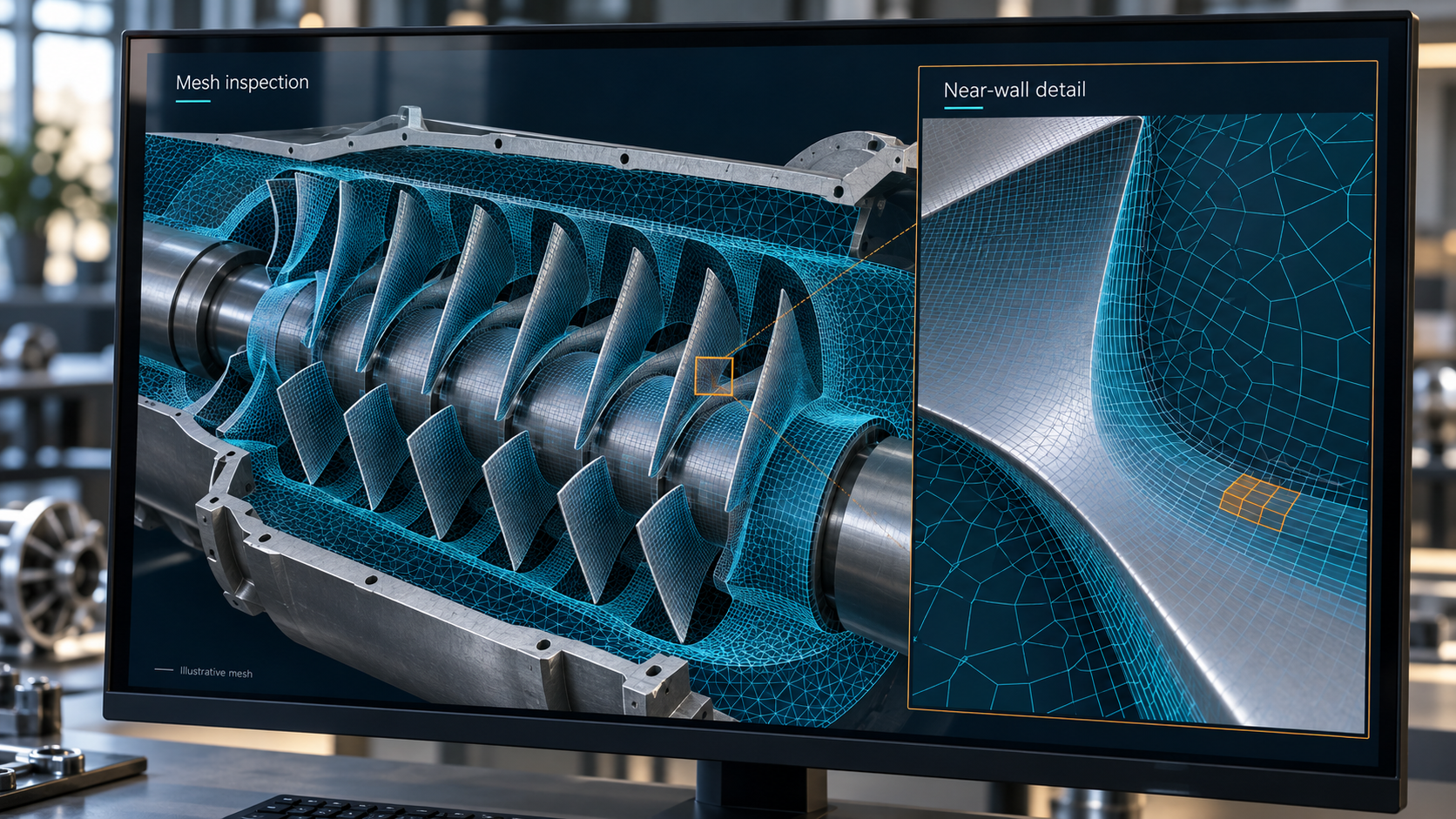
Checking the Mesh Before Trusting the Solver
Read & explore →: Checking the Mesh Before Trusting the SolverIntroduction The mesh divides the fluid domain into the cells on which the equations are solved. Its geometry, connectivity, and resolution influence numerical stability and the flow features the calculation…
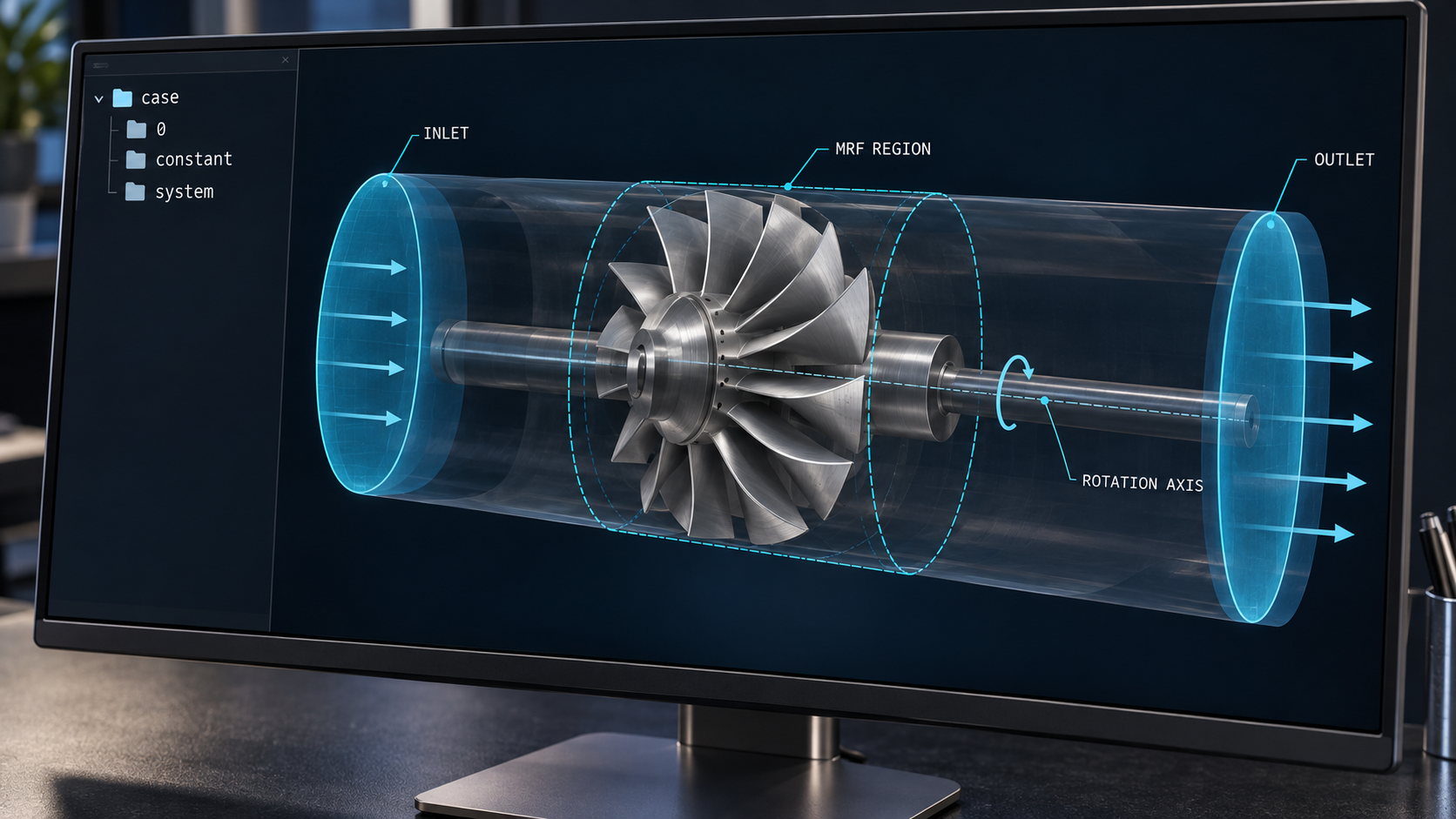
Reading the Case: Files, Boundary Conditions, and MRF Settings
Read & explore →: Reading the Case: Files, Boundary Conditions, and MRF SettingsIntroduction An OpenFOAM case is a structured description of a physical problem and the numerical method used to solve it. Understanding that structure allows you to explain the simulation, modify…
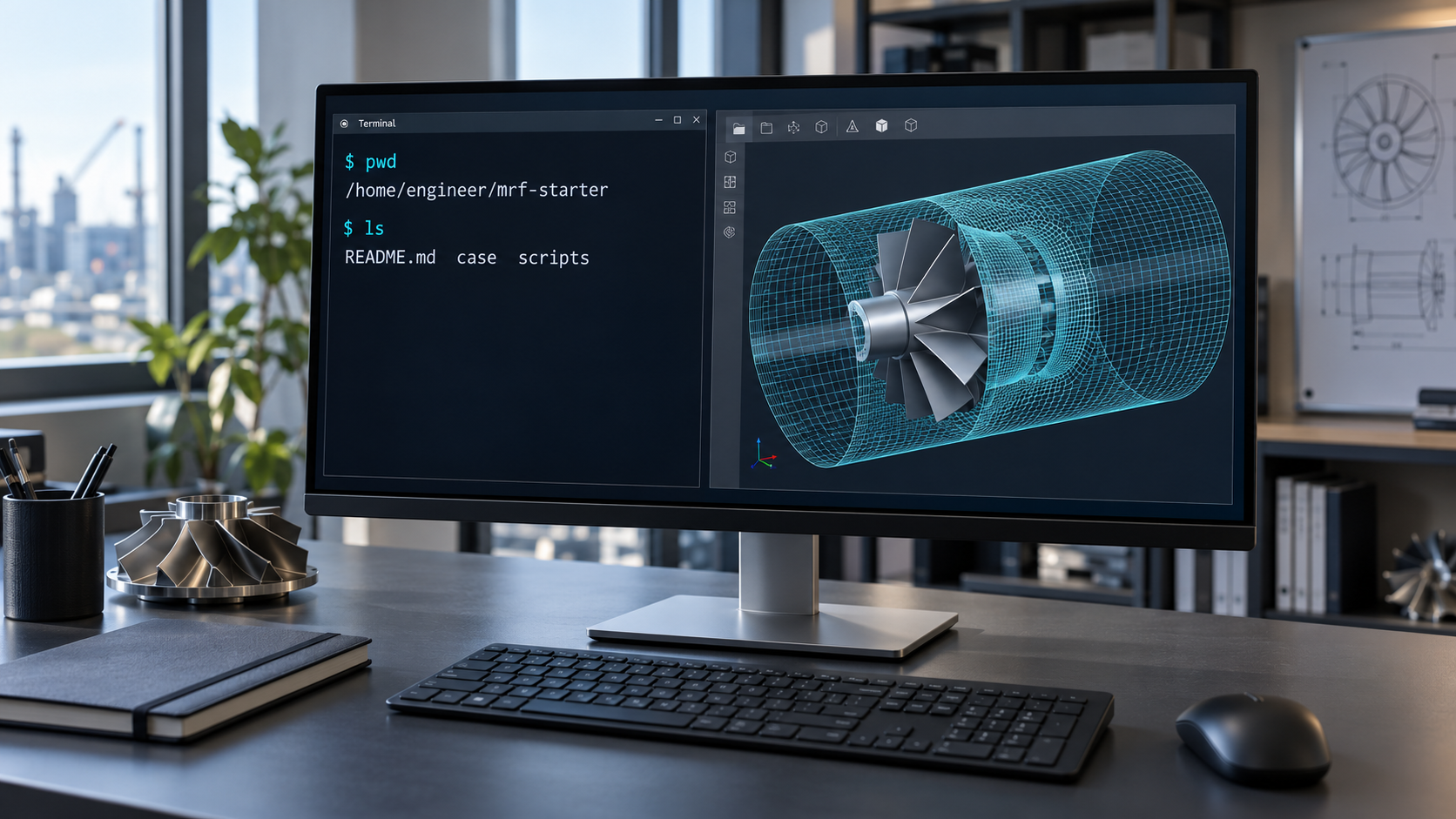
Preparing Your OpenFOAM Environment
Read & explore →: Preparing Your OpenFOAM EnvironmentIntroduction A reproducible simulation starts with a reproducible software environment. Before running the starter, confirm that your operating system, OpenFOAM installation, and supporting tools match its documented requirements. Learning objective…